Fuse Lighters
If anyone other than my mother is keeping track, let me give you an update: I’ve applied for 20+ jobs since September. Not even one has resulted in an interview. But something else came my way.

If anyone other than my mother is keeping track, let me give you an update: I’ve applied for more than 20 jobs since September and not even one has resulted in an interview. I constantly adjust my resume: am I a writer or am I dancer? Can I combine them? Do I even have time for a job, what with all this navel-gazing and chauffeuring my kids around town? So this post serves a few unorganized purposes: 1. I’m in the market for a gig (nudge, nudge) and 2. And fitting that on this St. Patrick’s Day, I acknowledge that I am lucky.
Yesterday, after school pick-up, I told the kids that I was going into my room to write. I had three hours until my writing group. The prompt was “going.” My mind was blank so I reached for Julia Cameron’s The Sound of Paper. I flipped open the book and landed on pages 200/201. Normally, I would have called my sister and told her why this was such an incredible moment. But I needed to write. I had a deadline. So I wrote. And now you get to read.
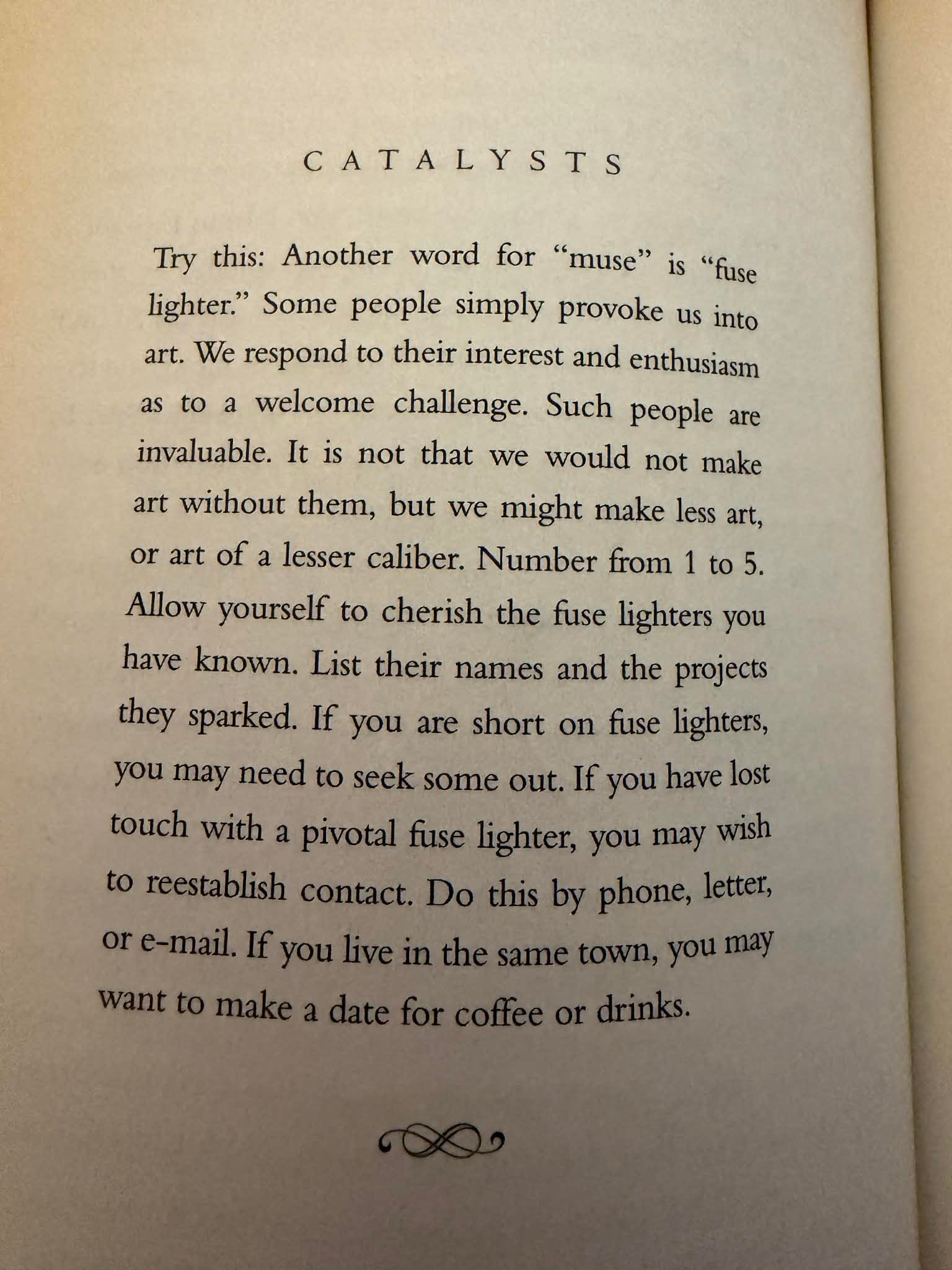
Fuse Lighters
In 2005, I started teaching a creative movement class for four to six-year-olds. I had just moved to Brooklyn and was piecing together my life as a dance artist.
I was paid $35 per class. I burned CDs for class music and bought loads of stickers for little hands and painters’ tape that marked movement boundaries on the studio floor. Needless to say, teaching dance was not a money-making scheme.
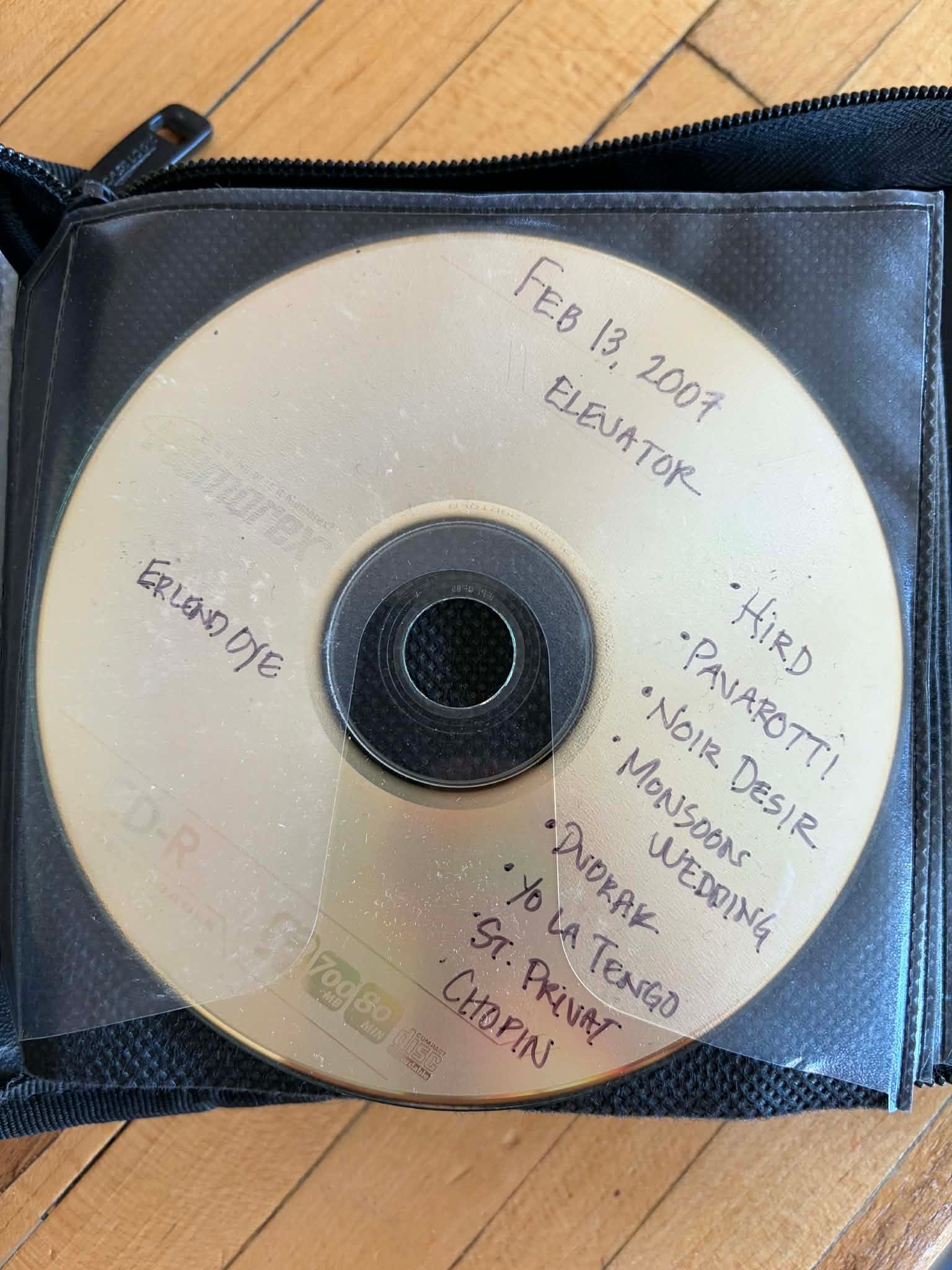
Each Tuesday before class, I wrote numbers on plain paper, folded each one into an itsy bitsy note, grabbed my bejeweled purse from my closet and made sure that the number of tracks on the CD matched the number of notes in my bag. This was all in preparation for a game at the end of each class called Elevator (which many creative movement teachers also use). In my Elevator, the bejeweled purse was the panel; the folded pieces of paper were the floor numbers. On the studio floor, I configured a rectangle: sometimes out of yoga blocks and sometimes with blue painters’ tape. All the kids would stand within the rectangle. I instructed them to treat the elevator like any other elevator: respect your neighbor’s space and “do not touch any other body.” This personal space was called your Bubble. Every student got a turn to reach inside the bejeweled purse hung across my body and pull out a note revealing which floor the group was destined to arrive. As one child read the paper and announced, “Floor 7,” I ran over to the stereo and played Track 7 on the CD. The instructions were simple: wait for the music, exit the elevator, respond to the music, move how you feel, listen closely because eventually the music will quiet and all bodies must return to the elevator by the time it is silent. An important reminder was: “Hold the doors open for anyone who is running late!”
Each floor had distinctive music: classical, pop, jazz, motown, opera, rock and slow, fast, minor, major. Their bodies responded to each floor in the moment. They could not plan their movements since they did not know what each floor held.
I have theories about why this was such a successful introduction to movement. The notes were treated like secrets even though they were simply numbers. The kids rose to the challenge of behaving like adults in an imaginary elevator. Holding doors open for one another seemed like rescuing a friend. Fitting into a tight, restrictive space (elevator) and then exploding into a wide-open dance studio where they jumped, rolled, twirled, and emoted was cathartic. Heeding rules and then embracing freedom of expression delivered an unparalleled sense of satisfaction. Literally bound and boundless. And we repeated until each student “pushed” a button and brought the class to a different floor.
Ten years later, that group of dancers still talked about Elevator. I’m not sure they realized that my teaching still incorporated all aspects of the game. The only differences were that there wasn’t a rectangle to corral them and they didn’t pull numbered paper from a purse. But they mastered their sense of self, their sense of movement, their sense of being in the world, the way they communicated through movement and empathy. In the studio, they looked inward and investigated their landscapes and grew to new levels of confidence. As they went through high school and onto college, the world held mysteries to figure out. But they knew how they moved in the world. They knew how to come back to breath and space. They knew how to be in their skin.
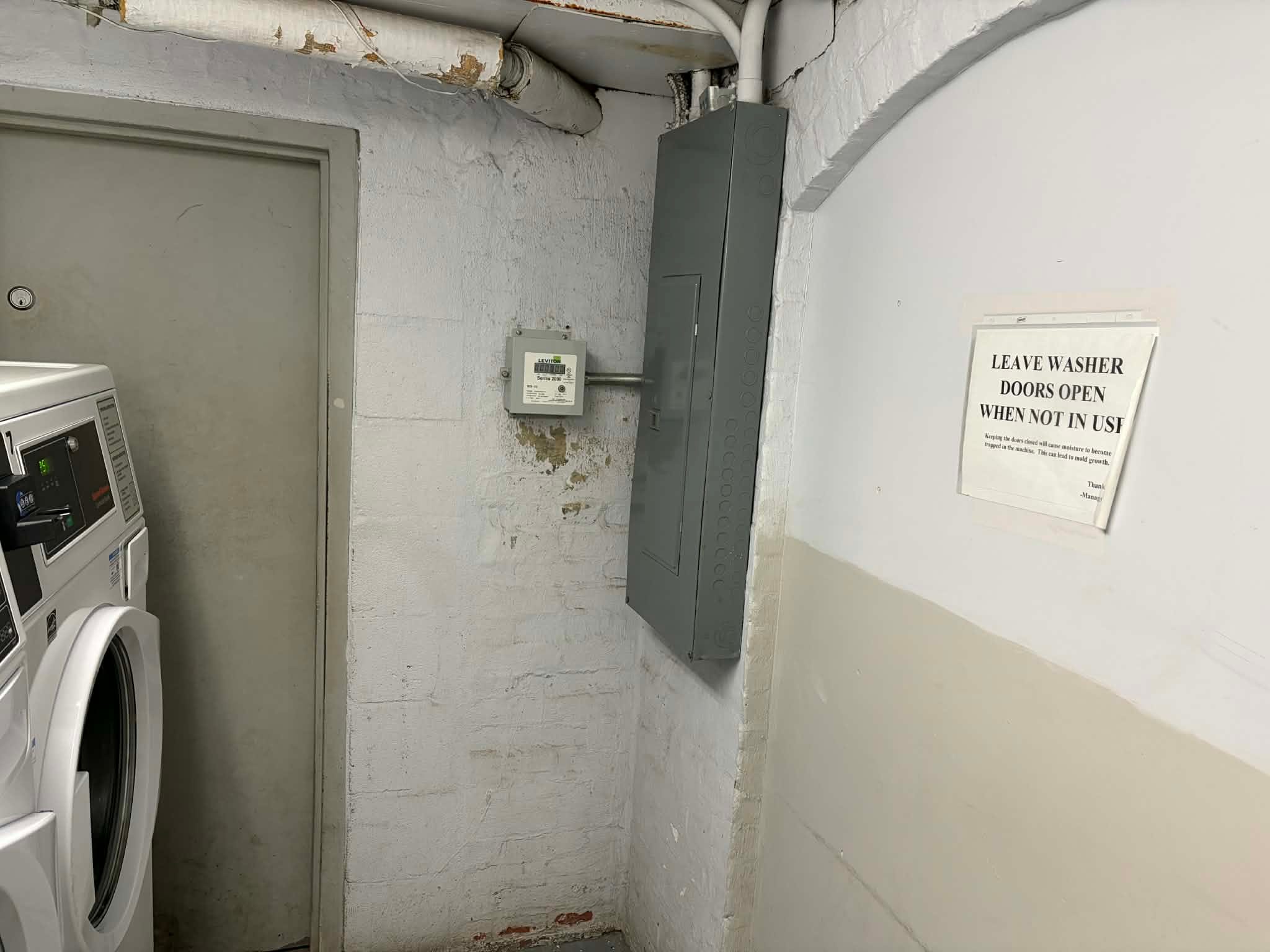
Twenty-one years later, I am sitting in the laundry room of my apartment building because my washing machine broke. I am waiting for the dryers to finish their cycle. I am in a chair. Alone. Looking at the wall, staring at the fusebox and thinking about how I need an electric boost. A restart. I need to flip a switch that somehow slipped to an off position. My phone buzzes and I look down to see a text. It’s from one of those four-year-olds from 2005. One of those fifteen-year-olds who reminisced about Elevator. She is the 25-year-old who gathered a group of those little dancers with whom she once shared elevators. They want me to be their dance teacher again: “everyone is in agreement that this is exactly what is needed right now.”
I text back: “I’m in.”
And I look again at the fusebox on the white wall.
I’ve got some fuse-lighters. And we’re going to dance.


Genius! Oh to be lit by fuses and a fuse lighter such as yourself, Ms. Gottwald.
My heart. This is lovely. May the sparks fly.